
Moving Boxes and Packing Supplies
The right moving boxes can make packing faster, safer, and much less stressful. The wrong ones can slow your move down, create damage, and make heavy items harder to carry.
Most moves require a mix of box sizes rather than one format for everything. In general, the best approach is simple: use smaller boxes for heavy or fragile items, medium boxes for everyday household goods, and larger boxes only for lighter bulky items.
Which Moving Boxes Should You Use?
Small boxes
Small moving boxes are usually the best choice for heavy items. They are easier to lift safely and less likely to split under weight.
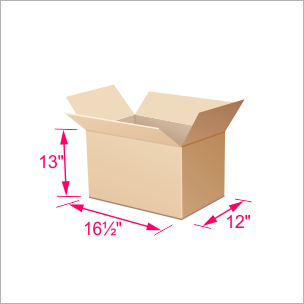
Use small boxes for:
- Books
- Tools
- Pantry items
- Dishes
- Glassware packed with paper
- Small dense decor items
Medium boxes
Medium boxes are the most versatile option and often make up the largest share of a move.
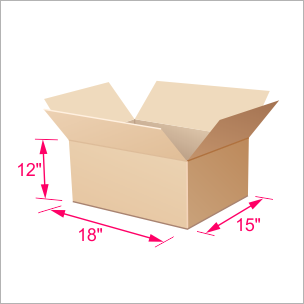
Use medium boxes for:
- Kitchenware
- Small appliances
- Toys
- Office supplies
- Bathroom items
- Folded clothes
Large boxes
Large boxes are useful for bulky but light belongings. They should not be overloaded.
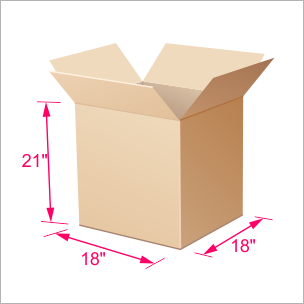
Use large boxes for:
- Linens
- Pillows
- Towels
- Bedding
- Lightweight clothing
- Lampshades
Specialty boxes
Some items are easier to protect with specialty boxes and supplies.
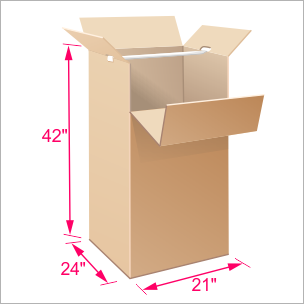
- Wardrobe boxes help move hanging clothes quickly and reduce wrinkles.
- Dish packs or double-walled boxes provide better protection for fragile kitchenware.
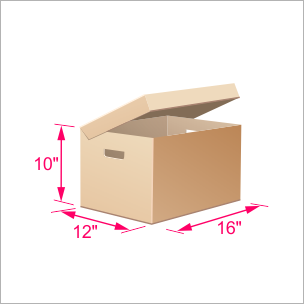
- File boxes help keep documents organized and easy to access after the move.
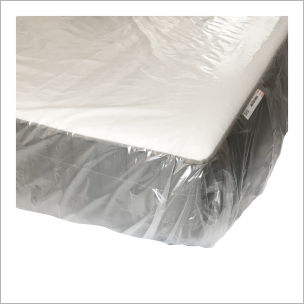
- Mattress bags help protect mattresses from dust, dirt, and moisture.
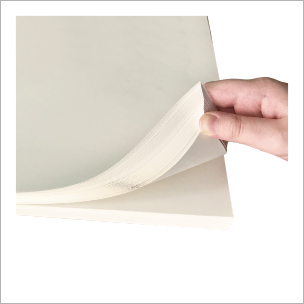
- Stretch wrap, tape, and packing paper help secure and cushion items properly.
Average Prices for Moving Boxes
Prices vary by retailer, city, and season, but typical new-box pricing is often in this range:
- Small box: about $1.50 to $2.50
- Medium box: about $2.00 to $3.50
- Large box: about $2.50 to $4.50
- Wardrobe box: about $12 to $22
- Mattress bag: about $6 to $15 depending on size
- Packing tape: about $3 to $6 per roll
- Packing paper: about $10 to $20 per bundle
For many households, the total cost of boxes and packing materials can easily add up to:
- Studio or 1-bedroom move: about $60 to $150
- 2-bedroom move: about $120 to $250
- 3-bedroom move or house: about $200 to $450+
These are planning ranges, not fixed prices, but they give a realistic starting point if you are budgeting for a move.
Where to Get Moving Boxes
There are several good options, depending on your budget and timeline.
Buy new boxes
Buying new boxes is usually the safest option when you want consistent sizes, cleaner materials, and stronger cardboard.
Common places to look:
- Moving supply stores
- Big-box home improvement stores
- Office supply stores
- Self-storage companies
- Truck rental and moving supply companies
Find used boxes
Used boxes can save money, especially for lighter items, but you should inspect them carefully.
Possible sources:
- Local marketplace listings
- Grocery stores
- Bookstores
- Office buildings
- Friends or family who moved recently
Avoid used boxes that are damp, torn, dirty, crushed, or weakened. For hygiene-sensitive items such as mattresses, we recommend using new protective bags.
How Many Boxes Do You Need?
The exact number depends on your home and how much you own, but these rough estimates are often helpful:
- Studio: 10 to 20 boxes
- 1-bedroom: 20 to 40 boxes
- 2-bedroom: 35 to 60 boxes
- 3-bedroom: 50 to 90 boxes
- Larger homes: 80+ boxes
If you are unsure, it is usually better to estimate conservatively and leave room for extra boxes, tape, and paper.
Packing Tips That Save Time and Prevent Damage
- Do not overload large boxes.
- Keep each box assigned to one room.
- Label boxes clearly on more than one side.
- Put heavier items on the bottom and lighter items on top.
- Fill empty space with paper or soft materials so items do not shift.
- Use extra protection for dishes, glass, electronics, and framed items.
- Set aside a first-night box with essentials you will need right away.
Can Movers Bring Boxes and Packing Supplies?
Yes. Many moving companies can bring boxes and common packing materials as part of the move or as a separate packing service.
Depending on the company, movers may provide:
- Standard moving boxes
- Wardrobe boxes
- Mattress bags
- Packing paper
- Tape
- Protective blankets
- Stretch wrap
- Specialty packing for fragile or valuable items
This can be especially useful if you are short on time, managing a family move, preparing for a long-distance move, or simply want to avoid multiple shopping trips.
Can Movers Pack Everything for You?
Yes. Many movers offer full packing services, partial packing services, or fragile-item-only packing.
That usually means the crew can:
- Bring the boxes and materials
- Pack dishes, glassware, kitchen items, and decor
- Protect furniture and larger household items
- Label boxes by room
- Disassemble certain furniture when needed
Some companies also offer unpacking services after delivery.
Full packing costs more than packing on your own, but it can save a lot of time and reduce the risk of damage, especially for larger homes or complex moves.
When Full Packing Services Make Sense
Hiring movers to supply the boxes and pack the home can be a good option if:
- You have a tight timeline
- You are moving a large home
- You have many fragile items
- You are moving with children
- You are coordinating a senior move
- You want to reduce physical strain and last-minute stress
If you only need help with the difficult parts, some movers can also pack just the kitchen, artwork, electronics, or other fragile items.
Compare the Total Cost, Not Just the Box Price
Buying boxes yourself is not always the cheapest overall option. If you need to buy materials, spend time packing, and still pay movers by the hour on moving day, the total cost can be higher than expected.
That is why it often helps to compare a few different approaches:
- Pack everything yourself
- Buy supplies yourself and ask movers to handle only furniture protection
- Ask movers to bring boxes and pack only fragile items
- Book a full packing and moving service
Looking at the full picture makes it easier to decide what fits your budget and your schedule.
Final Advice
If you want to stay organized, start by listing the rooms you are packing and estimating how many small, medium, large, and specialty boxes you need. If you want to save time and simplify the move, ask movers whether they can bring the boxes and take care of part or all of the packing for you.
Comparing a few moving quotes can also help you see which companies offer packing help, what materials they provide, and how those services affect the total price.
Get moving quotes
Compare moving prices quickly and receive offers tailored to your move.